

See Your Oral Health More Clearly
It can be difficult to understand a dental concern when you cannot see it for yourself. An intraoral camera gives Dr. Proussaefs a close-up view of areas inside your mouth and allows those images to be reviewed during your appointment.
At Konstantinos Proussaefs DDS Inc., we use intraoral cameras in Simi Valley, California to support thorough dental examinations, document visible concerns and help patients better understand what we see and why treatment may be recommended.
Have a tooth that looks, feels or seems different? Call 805-526-8296 to schedule an evaluation with Dr. Proussaefs.
What Is an Intraoral Camera?
An intraoral camera is a small handheld dental camera designed to capture detailed images from inside your mouth. Its compact size allows Dr. Proussaefs to examine areas that can be difficult for patients to see in a mirror.
The images can provide a closer look at individual teeth, existing dental work, gum tissue and other visible structures. They can also make dental conversations easier because Dr. Proussaefs can show you the area he is discussing instead of relying only on a verbal explanation.
What Can an Intraoral Camera Help Us Examine?
Depending on your individual needs, intraoral images may help Dr. Proussaefs examine or document visible concerns such as:
- Chipped, cracked or worn teeth
- Visible areas of decay
- Discoloration or changes in tooth surfaces
- Older fillings or other restorations
- Damaged or worn dental work
- Areas of gum irritation
- Plaque or tartar buildup that is visible in the mouth
- Changes that should be monitored over time
An intraoral camera is one part of a complete dental evaluation. Dr. Proussaefs considers what he sees in the images together with your symptoms, dental history and clinical examination before recommending care.
Why Is Seeing the Problem Helpful?
Dental treatment can be easier to understand when you can see the same area your dentist is evaluating.
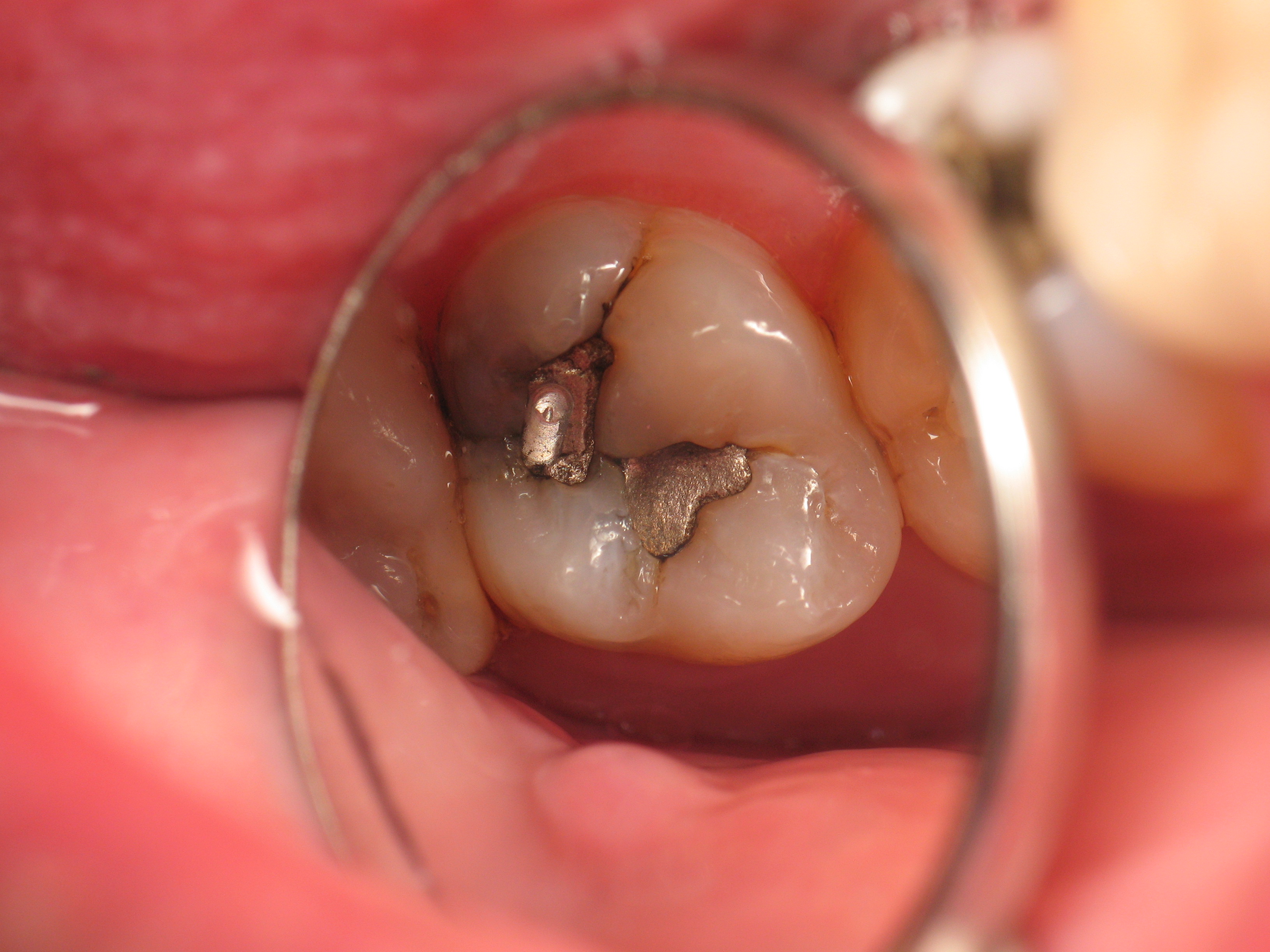
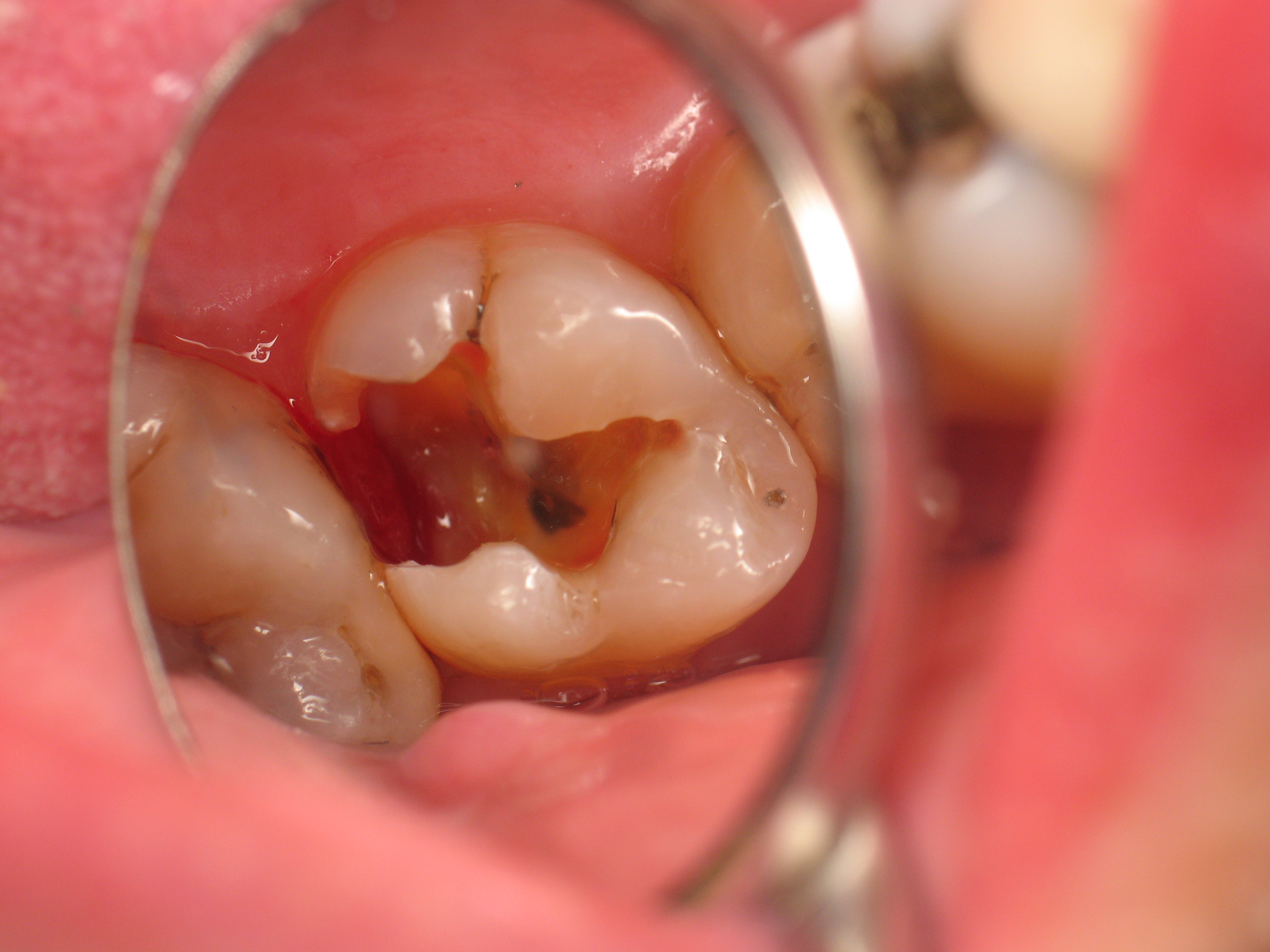
For example, if Dr. Proussaefs finds a damaged filling, worn tooth surface or visible crack, an intraoral image may help you see exactly where the concern is located. He can then explain what the finding means, whether treatment is necessary and what options may be appropriate.
Dr. Proussaefs is known for clear explanations, and intraoral images can support that patient-first approach by giving you more information before you make decisions about your dental care.
Intraoral Cameras and Other Diagnostic Tools
An intraoral camera is one of several useful diagnostic tools, each serving a different purpose.
An intraoral camera captures detailed images of surfaces that can be seen inside the mouth. It can help document visible conditions involving teeth, restorations and gums.
Other diagnostic methods can provide information about structures that may not be visible directly, including areas between teeth, around roots and within supporting bone.
When appropriate, Dr. Proussaefs may use information from both the clinical examination and dental imaging to develop a more complete understanding of your oral health.
How Intraoral Images Can Support Cavity Detection
Some areas of tooth decay can be seen during a clinical examination, especially when the affected surface is visible. An intraoral camera can provide a closer view of these areas and help document changes in the tooth.
However, not every cavity can be seen with a camera. Decay between teeth or beneath the surface may require additional diagnostic methods.
If Dr. Proussaefs determines that a cavity needs treatment, a dental filling may be recommended when the tooth can be restored conservatively.
Evaluating Existing Fillings, Crowns and Other Dental Work
Dental restorations are exposed to years of chewing forces, temperature changes and everyday wear. Over time, a filling, crown or other restoration may develop visible signs of wear or damage.
An intraoral camera can help Dr. Proussaefs take a closer look at these areas and show you what he is evaluating.
Depending on the condition of the tooth and restoration, the appropriate next step may be monitoring, repair or replacement. When a tooth needs additional protection, a dental crown may sometimes be considered after a complete examination.
Monitoring Changes Over Time
Not every dental finding requires immediate treatment.
In some situations, Dr. Proussaefs may recommend monitoring an area rather than treating it right away. Intraoral photographs can provide visual documentation that may help compare how a tooth, restoration or other visible area changes over time.
This can be useful when deciding whether a condition appears stable or deserves additional evaluation at a future visit.
Supporting Preventive Dental Care
Preventive care is about more than fixing teeth after they become painful. Regular examinations give Dr. Proussaefs an opportunity to identify changes, discuss home care and determine whether any areas need closer attention.
Intraoral images can help make those conversations more specific. If plaque buildup, irritated gums or another visible concern is present, seeing the area may make it easier to understand where brushing, flossing or professional care should be focused.
Routine dental cleanings and good oral hygiene remain important parts of protecting your teeth and gums.
What to Expect During an Intraoral Camera Exam
Using an intraoral camera is straightforward and can usually be incorporated into a dental examination without significantly changing the appointment.
Dr. Proussaefs or a member of the dental team positions the small camera inside your mouth to capture images of specific teeth or areas that need a closer look.
The images can then be viewed digitally so Dr. Proussaefs can evaluate the area and, when helpful, review the findings with you.
The camera does not replace the hands-on portion of a dental examination. It simply provides another visual perspective that can support diagnosis, documentation and patient education.
Can an Intraoral Camera Diagnose Every Dental Problem?
No. An intraoral camera is valuable for examining visible surfaces, but many dental conditions develop in areas that cannot be photographed directly.
Problems between teeth, around tooth roots, inside a tooth or within the supporting bone may require additional diagnostic methods.
That is why Dr. Proussaefs uses intraoral images as part of a broader evaluation rather than relying on the camera alone.
Does Seeing a Problem Mean It Needs Treatment?
Not necessarily.
An image can help identify and document a visible change, but the treatment decision depends on the complete clinical picture. Some areas may require restorative treatment, while others may simply need to be watched at future visits.
Dr. Proussaefs will explain what he sees, whether the finding is affecting the health or function of the tooth and what options make sense for your situation.
Helping You Make More Informed Dental Decisions
One of the most useful roles of intraoral photography is patient education.
You should understand why dental treatment is being recommended before deciding how to proceed. When an image is useful, Dr. Proussaefs can point out the specific tooth or area involved and explain the concern in practical terms.
This can be especially helpful when discussing treatment for a damaged tooth, an older restoration or a condition that is not causing noticeable symptoms yet.
Experienced Family Dentistry With Clear Explanations
Dr. Proussaefs has practiced dentistry since 1998 and provides comprehensive general and family dental care for patients in Simi Valley.
His experience includes preventive care and the evaluation and treatment of a wide range of restorative dental concerns. Patients frequently value his friendliness, honesty and ability to explain dental findings clearly.
Intraoral cameras support that approach by helping patients see visible concerns and participate more confidently in conversations about their oral health.